

What Is a Smog Check and Does Your Toyota Need One?
A smog check is a mandatory emissions inspection, administered by the California Bureau of Automotive Repair (BAR), that confirms your vehicle isn’t releasing excessive pollutants. For most Toyota owners, passing it is a legal prerequisite for renewing your registration with the DMV. Because Temecula sits in Riverside County — one of six California counties where requirements apply by ZIP code rather than county-wide — your DMV renewal notice is the definitive word on whether an inspection is due and whether it must be done at a STAR-certified station.
Your Toyota relies on emissions-control components such as the oxygen sensors, catalytic converter, and EGR system to keep tailpipe output low. As these parts wear, emissions rise — and the inspection often surfaces small problems before they become expensive repairs. If you have questions or want to prepare for an upcoming test, our factory-trained service team is ready to help.
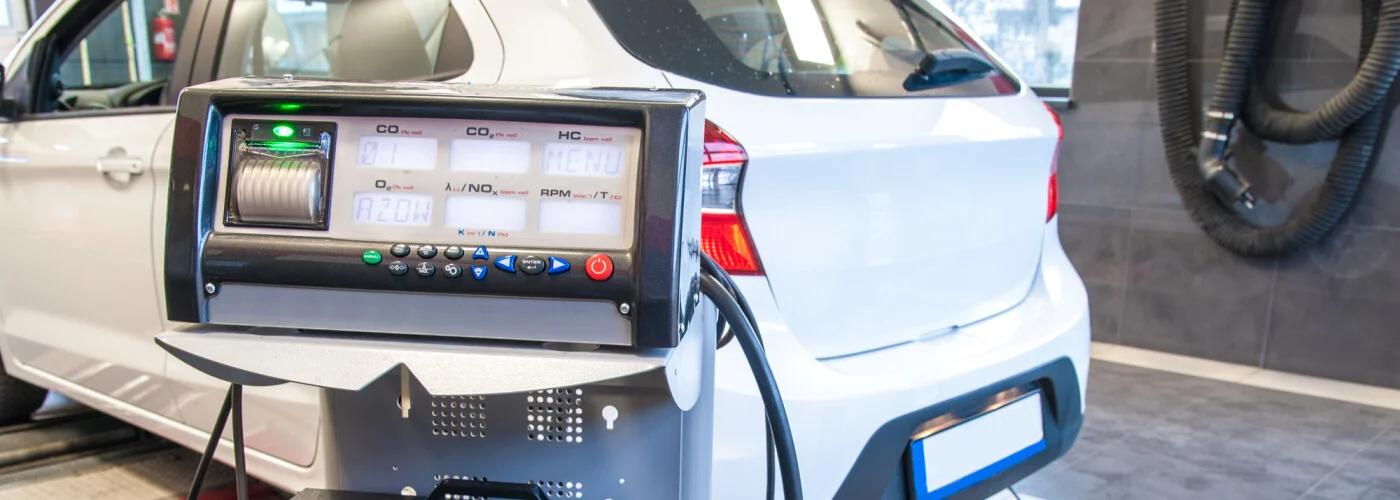
California Smog Testing Schedule and Exemption Rules
For most gasoline, hybrid, and alternative-fuel vehicles, California requires a smog inspection every two years as part of registration renewal. The state also provides a generous exemption for newer vehicles.
The 8-Year Rule
If your gasoline or hybrid Toyota is less than eight model years old, you don’t need a biennial smog check to renew your registration. Instead, you pay an annual smog abatement fee to the DMV with your renewal. To find when your vehicle is due for its first inspection, add eight to its model year — a 2020 model, for example, comes due in 2028.
Exemptions and Special Situations at a Glance
| Vehicle Type or Situation | Smog Check Requirement |
|---|---|
| Gasoline/hybrid, less than 8 model years old | Exempt from biennial check; pay annual smog abatement fee instead |
| Fully electric (battery-only) vehicles | Completely exempt |
| Gasoline vehicles, 1975 model year or older | Permanently exempt |
| Diesel, 1998 model year or newer, GVWR 14,000 lbs or less | Required; tested biennially (no newer-year exemption) |
| Change of ownership, vehicle 4 model years old or newer | No inspection; buyer pays a smog transfer fee |
| Transfer between immediate family members | Exempt |
Note: A passing smog certificate is valid for 90 days, so time your inspection close to your renewal or sale date.
What Happens During a Toyota Smog Inspection
A California smog inspection takes roughly 30 minutes and has three parts. For virtually every Toyota on the road today — any 2000-model-year-or-newer gasoline vehicle — the OBD-II scan serves as the emissions test itself; a separate tailpipe idle measurement is no longer performed on these vehicles.
The Three Parts of the Inspection
| Inspection Stage | What the Technician Checks |
|---|---|
| Visual | Confirms emissions-control equipment is present, connected, and undamaged — catalytic converter, PCV system, and gas cap |
| Functional | Verifies systems such as the EGR and the fuel evaporative (EVAP) system are venting and sealing correctly, including a gas cap integrity check |
| OBD-II Scan | Connects to the OBD-II port (under the dashboard) to read the engine computer for trouble codes and confirm readiness monitors are set |
The Check Engine Light
If your dashboard shows an active check engine light, the vehicle automatically fails — regardless of what the emissions readings would have been. Addressing an illuminated light before your inspection is the single best way to avoid a failed test.
Common Reasons a Toyota Fails Smog — and How to Prepare
The Most Common Causes
- An illuminated check engine light, which halts the test immediately.
- Incomplete OBD-II readiness monitors — often because the battery was recently disconnected, replaced, or went dead, which resets the engine computer’s self-tests to “not ready.”
- A cracked or loose gas cap that lets fuel vapors escape, failing the evaporative system check.
- Dirty engine oil, which can carry residual hydrocarbons through the PCV system and affect readings.
Resetting Readiness Monitors
When readiness monitors reset, the vehicle can’t pass until they complete their self-tests through normal driving over the following days — a mix of highway and city driving. Because the exact drive cycle is specific to each vehicle and isn’t always practical to complete safely in traffic, the most reliable option is to let our technicians verify and set your readiness monitors for you.
Simple Prep Steps
A fresh oil change before your test is a simple, effective precaution, and confirming your gas cap seals properly takes seconds. If your check engine light is on, have it diagnosed before testing rather than after a failure.
The information in this article is general guidance and does not constitute a specific diagnostic or repair recommendation for any individual vehicle. Repair and maintenance decisions should be made in consultation with a certified technician based on the specific condition of your vehicle.
Do Toyota Hybrids and Diesel Models Have Different Requirements?
A common misconception is that hybrids are exempt from emissions testing. They aren’t.
Hybrids
In California, Toyota hybrids follow the exact same rules as gasoline vehicles. Once a hybrid passes its eighth model year, it must be tested every two years like any other gas-powered car. Because hybrids cycle their gasoline engine on and off, keeping those emissions components clean matters for passing.
Diesels
Diesel-powered vehicles follow separate rules:
- A smog check is required for diesels that are 1998 model year or newer with a gross vehicle weight rating (GVWR) of 14,000 lbs or less.
- There is no newer-model-year exemption for diesels — they’re tested biennially from their first registration cycle.
A Note on Parts
Using substandard aftermarket components can trigger system errors and cause a smog failure. Genuine OEM parts keep your Toyota’s emissions systems calibrated to factory standards, which helps preserve both performance and compliance.
Frequently Asked Questions About Toyota Smog Inspections
Does an illuminated “Maintenance Required” light cause a smog failure?
No. The “Maint Reqd” light is a mileage-based reminder for routine service like oil changes and tire rotations. It does not indicate an emissions malfunction and will not fail your inspection — unlike the “Check Engine” light (malfunction indicator lamp).
What should I do if my Toyota fails its smog check?
The station provides a Vehicle Inspection Report detailing the specific failures. You’ll need to have those emissions issues repaired and then return for a retest. Some emissions components may be covered under Toyota’s federal or California emissions warranties, so it’s worth checking your coverage.
This information is provided for general educational purposes only and does not constitute legal advice. Warranty coverage depends on the specific terms of your vehicle’s warranty agreement. Consult your owner’s manual or a qualified legal professional for guidance on your individual situation.
Can a cracked or loose gas cap cause a smog failure?
Yes. The inspection includes a functional test of the fuel evaporative system, and a cap that doesn’t seal allows fuel vapors to escape — which can trigger a trouble code and an automatic failure.
How long is a passing smog certificate valid in California?
A passing certificate is transmitted electronically to the DMV and remains valid for 90 days from the inspection date. Complete your registration renewal or title transfer within that window to avoid retesting.
Are classic Toyota models exempt from California smog checks?
Yes. Gasoline vehicles from the 1975 model year or older are permanently exempt from the California smog check program.
Keep Your Toyota Running Cleanly
Staying ahead of your biennial emissions test is the easiest way to keep your registration current and your Toyota running efficiently.
Maintenance That Supports a Clean Pass
- Timely oil changes
- Spark plug replacement at the recommended interval
- Fresh air filters
- Prompt attention to any check engine light
For drivers in and around Temecula and neighboring Murrieta, a little preparation prevents registration delays and unexpected repair costs. Our factory-trained technicians use Toyota-specific diagnostic equipment to read OBD-II codes, verify readiness monitors, and perform certified emissions repairs when needed.
If you’re ready to schedule a pre-inspection check or need help with an illuminated check engine light, our team is here. You’ll find us at 26631 Ynez Rd, Temecula, CA 92591, and you can reach our service department directly at (951) 319-7903.
This article is provided for general informational purposes only and does not constitute legal advice. California smog check requirements are set by the Bureau of Automotive Repair and the DMV and are subject to change; requirements vary by vehicle, ZIP code, and situation. Always confirm current requirements against your DMV registration renewal notice or at bar.ca.gov.