

Understanding the Key Differences Between OEM and Aftermarket Toyota Parts
At Temecula Valley Toyota, drivers in Temecula, Murrieta, and Fallbrook frequently ask our Parts Department about the differences between OEM and aftermarket car parts. These choices affect your Toyota’s safety, performance, warranty coverage, and long-term value — and because there’s a lot of misinformation online about warranties in particular, we want to set the record straight with accurate, practical guidance.
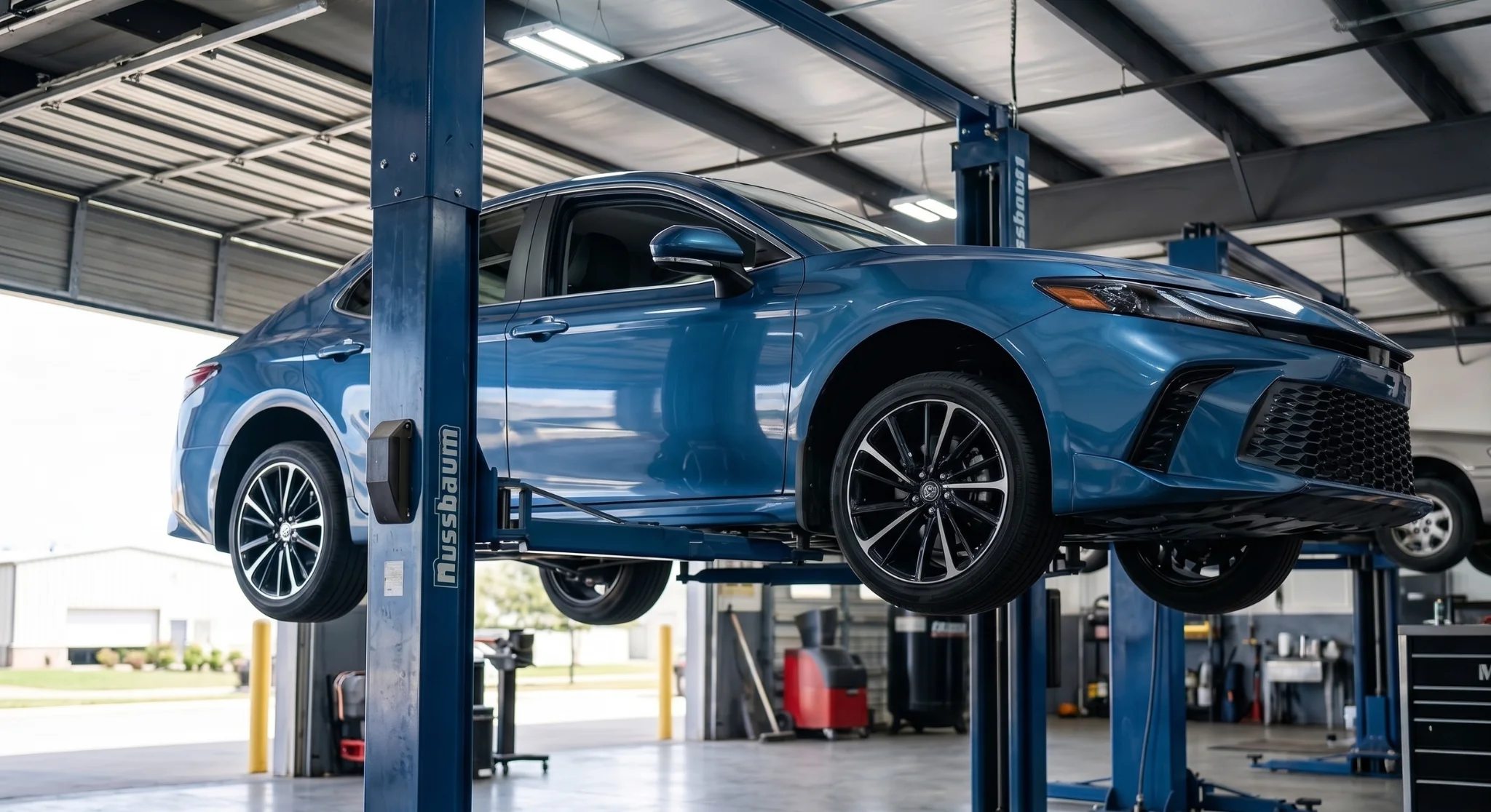
The fundamental difference comes down to origin and engineering. OEM (Original Equipment Manufacturer) parts are produced by Toyota or Toyota-approved suppliers to the same specifications as the components installed on your vehicle at the factory. According to Toyota, Genuine Parts are engineered to meet Toyota’s safety, reliability, and functionality standards and are tested to ensure precise fit with everything else in your vehicle — including sensors, electronics, and advanced safety features like Toyota Safety Sense. Aftermarket parts are produced by third-party manufacturers with no affiliation to Toyota. Some aftermarket suppliers produce high-quality components that closely match OEM specifications; others vary significantly in materials, fit, and durability.
OEM vs. Aftermarket Toyota Parts at a Glance
| Genuine Toyota (OEM) | Aftermarket | |
|---|---|---|
| Manufacturer | Toyota or Toyota-approved suppliers | Third-party companies, no Toyota affiliation |
| Fit & Compatibility | Engineered to Toyota’s exact specifications | Varies significantly by manufacturer |
| Warranty Coverage | 12 months unlimited miles (36 months/36,000 miles when installed at new vehicle purchase) | Varies by manufacturer, typically shorter |
| Upfront Cost | Typically higher | Typically lower |
| Best For | Safety-critical systems, in-warranty vehicles, long-term ownership | Older vehicles, cosmetic or non-critical components, out-of-production parts |
Below, we answer the four questions our Parts Department hears most often from Toyota owners weighing OEM versus aftermarket.
What are the main benefits of choosing OEM parts for my Toyota, and what should I consider when making this choice?
Genuine Toyota Parts are engineered specifically for your vehicle, which translates to three real advantages.
Guaranteed fit and compatibility. OEM parts meet Toyota’s exact specifications for dimensions, materials, and performance. For modern Toyotas equipped with Toyota Safety Sense — including adaptive cruise control, lane-keeping assist, and pre-collision features — precise part geometry matters. A sensor housing or bracket that’s off by a few millimeters can affect how these systems calibrate.
Toyota Genuine Parts Warranty. Every Toyota Genuine Part includes warranty coverage backed directly by Toyota. Most aftermarket parts offer shorter coverage, with terms that vary significantly by manufacturer. Here’s how Toyota’s coverage breaks down:
| Purchase Type | Coverage Period |
|---|---|
| Parts purchased over the counter | 12 months, unlimited mileage |
| Accessories installed at new vehicle purchase | 36 months or 36,000 miles (matches New Vehicle Limited Warranty) |
| Accessories installed after new vehicle purchase | 12 months regardless of mileage, OR remainder of New Vehicle Limited Warranty — whichever is greater |
Preserved resale value. Toyota buyers in Temecula and Murrieta tend to pay attention to service records. Documented maintenance using Genuine Toyota Parts signals that a vehicle has been cared for to manufacturer standards, which can meaningfully affect trade-in or private-sale value.
The practical consideration is cost — OEM parts are often priced higher upfront than aftermarket equivalents. For most owners, the combination of fit, warranty, and resale value offsets that difference, but your specific situation matters. If you’re evaluating a major repair, our Parts Department is happy to walk you through both options. You can order Genuine Toyota Parts directly through our online Parts store or call us at (951) 383-3094.
Can you explain the benefits and risks of using aftermarket parts and when they might be a practical choice for vehicle owners?
Aftermarket parts have a legitimate place in vehicle maintenance — but there’s a widely circulated myth worth addressing first.
Federal law protects your warranty. The Magnuson-Moss Warranty Act (15 U.S.C. §2302(c)), enforced by the Federal Trade Commission, makes it illegal for a manufacturer or dealer to void your vehicle’s warranty simply because you used an aftermarket part or had service performed somewhere other than the dealer. If a specific aftermarket part directly causes a specific failure, the dealer may deny that particular claim — but only with proof that the aftermarket part caused the issue. The rest of your warranty remains intact. The FTC has actively enforced this standard in recent years, including 2022 consent orders against manufacturers whose warranty language implied otherwise.
With that cleared up, here’s where aftermarket parts can make sense:
Older vehicles. For Toyotas outside their original warranty period, aftermarket parts can extend usable life at lower cost.
Cosmetic and non-critical components. Floor mats, some interior accessories, and certain exterior trim pieces are lower-risk replacements where OEM specifications matter less.
Out-of-production parts. Some components for older Toyota models are more readily available through quality aftermarket suppliers than through OEM channels.
The real considerations: aftermarket quality varies considerably by manufacturer, installation tolerances can differ from OEM, and while the factory warranty is never “voided” by aftermarket parts, documentation that a specific part caused a specific failure can still result in denial of that claim. If you’re weighing an aftermarket option, our certified technicians can advise whether it’s a sensible choice for your specific Toyota.
How can I decide whether to use OEM or aftermarket parts for maintaining my vehicle?
The right answer depends on three things: what you’re replacing, the age and warranty status of your Toyota, and how you plan to use the vehicle.
Replacement category. For safety-critical systems — brake components, airbag-related parts, steering, engine internals, and anything tied into Toyota Safety Sense — Genuine Toyota Parts are almost always the right call. Precise fit and factory testing matter most here. For wear items like floor mats, wiper blades, or trim, the decision is more flexible.
Warranty status. If your Toyota is still covered under the 36-month/36,000-mile New Vehicle Limited Warranty, using Genuine Toyota Parts installed at an authorized dealership simplifies any future warranty claim. If your vehicle is out of warranty, the calculus shifts toward your long-term plans for the vehicle.
How you drive and how long you plan to keep it. Daily commuters in Menifee, Wildomar, and Winchester racking up highway miles typically benefit from OEM reliability over the long haul. Drivers with shorter timelines or tighter budgets sometimes find aftermarket parts acceptable for specific, non-critical maintenance needs.
The best path forward is usually a conversation with a knowledgeable technician who can see your vehicle. You can schedule service online with our team, and we’ll walk through the options for your specific repair.
How can Toyota owners maintain their vehicle’s reliability by scheduling service and ensuring they use genuine parts?
Consistent maintenance is what keeps a Toyota performing the way it should for 150,000 miles and beyond. Three habits matter most.
Follow your maintenance schedule. Every Toyota comes with a recommended service interval for oil changes, fluid checks, brake inspections, and major service milestones. Staying on schedule prevents small issues from becoming expensive ones.
Use Genuine Toyota Parts for repairs. Whether it’s a brake pad, air filter, hybrid battery component, or a TrueStart battery — the battery Toyota uses for in-warranty battery replacements — Genuine Toyota Parts ensure your vehicle continues performing to its original specifications. You can order parts 24/7 through our online Parts portal or reach the Parts Department at (951) 383-3094 for assistance.
Book service with certified technicians. Temecula Valley Toyota’s service team is factory-trained on every current Toyota model, including the Toyota Electrified Vehicles lineup. When repairs or inspections are needed, they’ll diagnose accurately and recommend the right parts for your situation based on what’s actually best for your vehicle.
Ready to book? Schedule service online at your convenience, or visit our Service Center page for a full overview of what we offer.
Sources & References
- Toyota Motor Sales, U.S.A. “Toyota Manuals and Warranties.” toyota.com/owners/warranty-owners-manuals/
- Toyota Motor Sales, U.S.A. “Genuine Toyota Parts and Accessories.” toyota.com/owners/genuine-parts/
- Toyota Motor Sales, U.S.A. “Toyota Electrified Vehicles.” toyota.com/electrified-vehicles/
- U.S. Federal Trade Commission. “Nixing the Fix: Warranties, Mag-Moss, and restrictions on repairs.” ftc.gov
- Magnuson-Moss Warranty Act, 15 U.S.C. §2302(c). law.cornell.edu/uscode/text/15/2302